
Easton Water Heater Repair: No Hot Water, Leaks and Strange Noises
No hot water is a morning problem, and the question under it is simple: fix it or replace it. A plumber serving Easton can answer that in a visit, and a few checks beforehand save time.
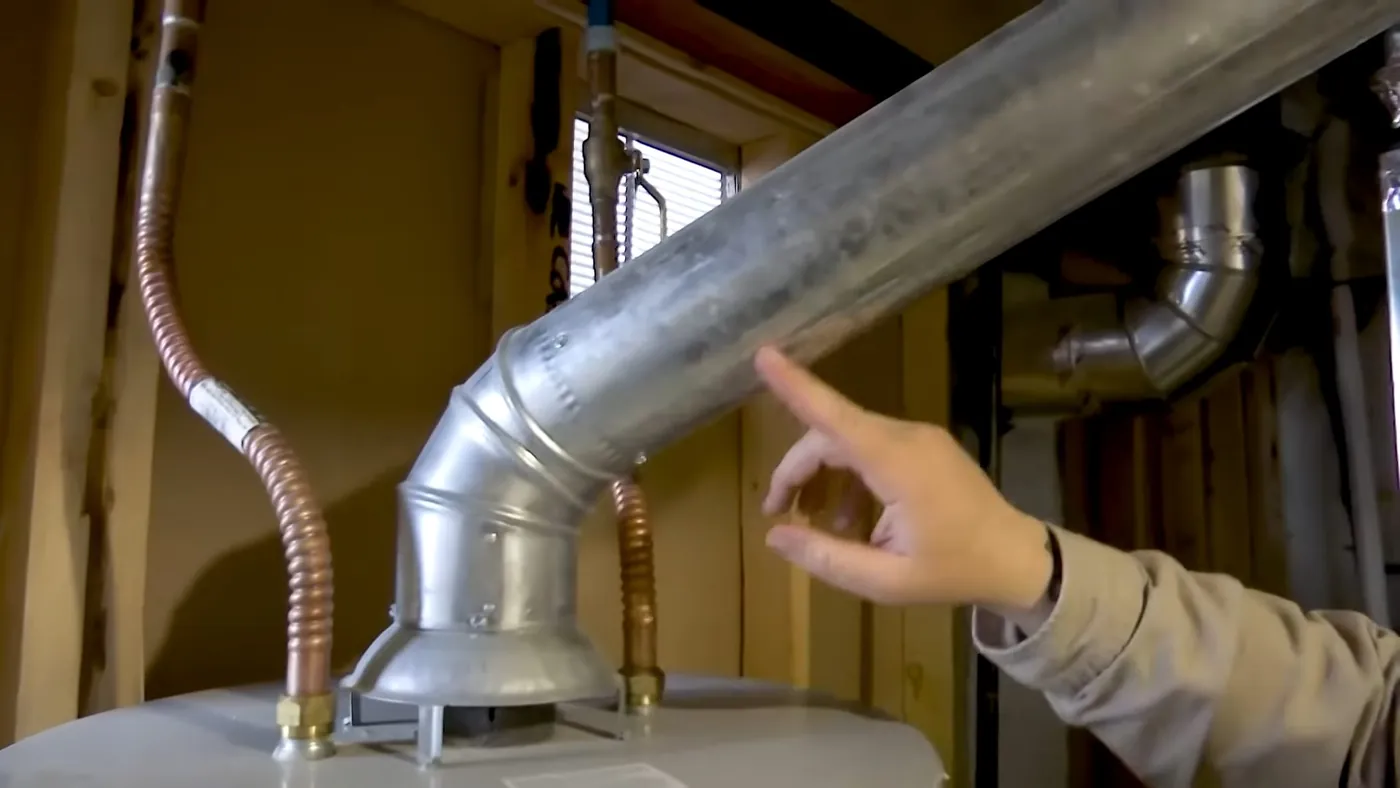
- Licensed and insured plumbers
- Same-day service when available
- 24/7 emergency dispatch
Fix or replace: reading what the water heater is telling you
A heater that stops making hot water is not always dying. A failed thermostat, a bad element, a pilot that keeps going out or a tripped breaker are repair jobs. A tank that is leaking from the shell, or a unit with a long list of past repairs, is usually a replacement.
Check the age on the data plate, ask what the repair would cost compared with the unit's remaining life, and get the answer in writing. If a replacement makes sense, water heater replacement covers sizing and what the installation includes.
Safety first If you smell gas, leave the house and call the gas utility from outside. Do not light anything and do not flip switches.
Gas or electric: what fails on each
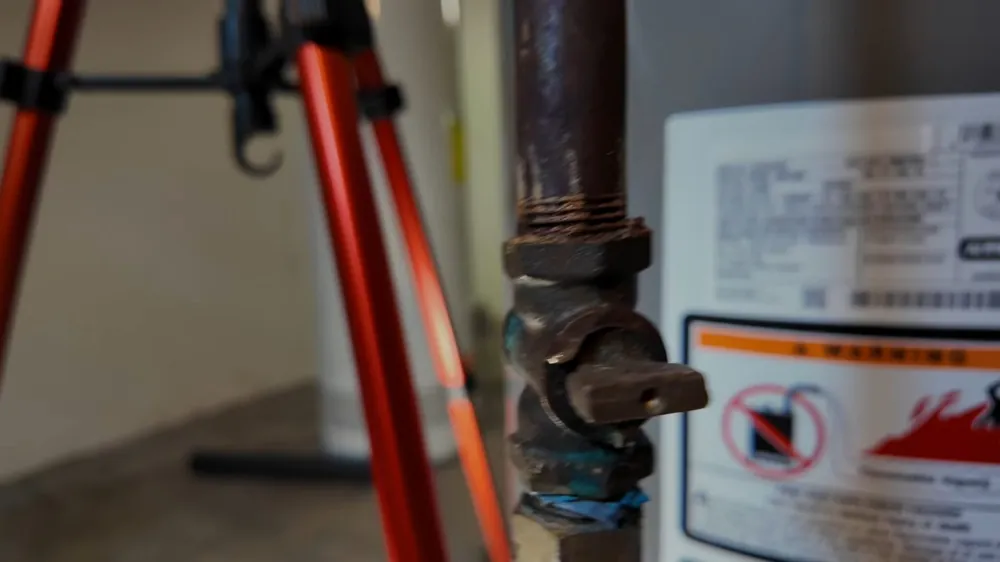
Gas units fail at the pilot or igniter, the thermocouple, the gas control valve and the burner. Electric units fail at the heating elements, the thermostats and the high-limit reset. Both can fail at the anode rod, the dip tube and the drain valve.
UGI Utilities supplies natural gas in the Easton area, and a gas supply problem is separate from a heater problem. If other gas appliances are also dead, call the utility first.
| Symptom | Gas heater | Electric heater |
|---|---|---|
| No hot water at all | Pilot out or igniter failed | Tripped breaker or failed element |
| Lukewarm water | Dirty burner or thermostat setting | One of two elements failed |
| Water too hot | Gas control valve fault | Thermostat stuck on |
| Rumbling or popping | Sediment under the burner | Sediment on the elements |
Flushing sediment and finding a leaking tank
Sediment is the likely cause of rumbling. It sits at the bottom of the tank, insulates the burner or elements and wastes energy. Flushing the tank clears it, although a heavily scaled tank may not recover.
Water from the Easton area utility is soft, with a hardness of 18 ppm in its 2025 consumer confidence report (ESWA water quality report), so heavy scale is less common here than in hard-water areas. Where the leak is matters: a drip at a valve or fitting is a repair, and water seeping from the tank body means the tank has failed.
Call and describe what you see.
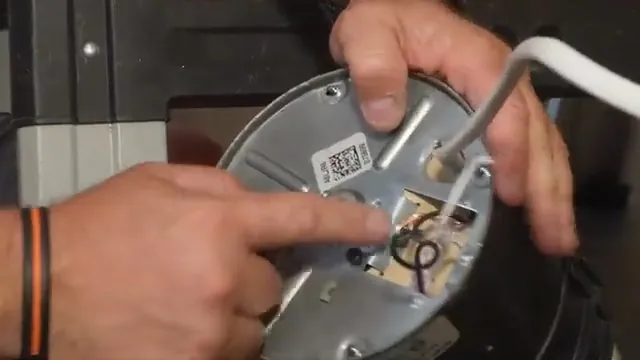
Tell the dispatcher the fuel type, the age of the unit and whether anything is leaking. Same-day service is offered when available.
Call 610-904-7596 ↗
No hot water: checks to run before you call
A few minutes of checking can save a visit or give the dispatcher a better description. None of these steps needs tools, and none involves opening a panel or touching a gas line.
Work from the simplest cause to the less likely one, and stop the moment anything smells like gas or the tank is wet underneath.
- Confirm other hot taps in the house are also cold, to rule out a single fixture
- Gas unit: look through the window for a lit pilot or glowing igniter; electric unit: check the breaker panel
- Look at the temperature dial and make sure it was not bumped
- Feel the floor and the pipes at the top for moisture or drips
- Note the age, brand and fuel type from the data plate for the dispatcher
If the heater runs but the hot water is weak at only one faucet, the problem may be a fixture, and faucet and toilet repair covers that case.
Quick checks and short answers
- No hot water. Check the breaker or pilot, then the thermostat setting.
- Pilot or igniter. A pilot that goes out repeatedly points to a thermocouple or draft problem.
- Thermostat or element. Electric units have two of each, and either one failing changes the output.
- Noise. Rumbling is sediment; high-pitched whining can be a scaled element or a pressure issue.
- Emergency. A leak that will not stop, or gas smell, goes to the dispatch line right away.
What a repair visit covers and when tankless enters the picture
A repair visit starts with diagnosis, then a plain statement of what failed, what the part and labor involve and how long the fix should hold. Ask for that in writing before work begins, so a repair and a replacement can be compared on the same terms.
If the tank is near the end of its life and the household has outgrown it, a tankless unit is one alternative. tankless units explains the differences in venting, gas supply and water use before you decide.
Whatever the choice, the shut-off valves, the temperature and pressure relief valve and the discharge pipe should be checked on the visit. Those safety parts are easy to overlook and take little time to verify while a plumber is already at the tank.
Permits and who supplies what in Easton
Easton's Codes Office states that plumbing, gas and mechanical work needs permits, but does not name water heaters. Call 610-250-6724 to ask whether your replacement or repair needs one before work starts.
A licensed and insured plumber will normally know the local steps. If the water damage is already spreading, the drying side belongs to water removal and drying.
Routine maintenance and related repairs
Routine water heater maintenance, such as flushing the tank and checking the relief valve and the anode, helps prevent repairs around the unit. Related repairs can include a leaking connection, a failed thermostat or a pilot that will not stay lit.
Call the dispatch line for a plumber serving Easton.
Repair, replace or a second opinion.
Say gas or electric and what stopped working.
- Licensed and insured plumbers
- Same-day service when available
- 24/7 emergency dispatch
Water heater questions from Easton homeowners
Why is my water heater making noise?
Rumbling and popping usually mean sediment, and whining can mean a scaled element or high pressure. Flushing often quiets it. If the noise comes with a leak or a gas smell, stop and call.
Who do I call for a water heater problem?
Call a plumber for the heater and its connections, and the gas utility for a gas supply problem. If you are unsure, start with the plumber, who can tell you which side the fault is on.
How long does a tank last, and should I repair an older one?
Tanks wear out over time, and the data plate shows the age. Repair a young unit with a single failed part. Replace an older one that has a history of repairs or a leaking tank, because the next failure may cost more than the last.
Water is leaking outside near my water heater vent. Is that the heater?
Not necessarily. Condensation, a roof or vent leak or a supply line can all show up there. A plumber can sort out the source; for water that you cannot trace, see leak detection.
My water heater is leaking. What should I do first?
Turn off the cold water supply to the tank and shut off the power or gas. Easton's Codes Office notes plumbing, gas and mechanical work needs permits, so ask them at 610-250-6724 whether a replacement needs one. Then call a plumber, because water from the tank body means the tank has failed.