
Water Damage in Easton, PA: Getting the Water Out and the Structure Dry
After a burst pipe, a failed fitting or a basement flood, the clock starts on wet materials. This page covers the part that matters most in the first two days: removing standing water and drying the structure so the damage stops spreading.
- Licensed and insured plumbers
- Same-day service when available
- 24/7 emergency dispatch
First hour: stop the source and protect people
Water damage is sorted into two jobs: stopping the water and drying what it touched. A plumber fixes the pipe, and removal and drying come after the source is controlled. If you are not sure where the water comes from, close the main shutoff.
- Close the main water shutoff, and the water heater supply if the tank is leaking
- Switch off power to wet areas only if the panel is dry and you can reach it safely
- Stay out of rooms where water touches outlets, appliances or ceiling light fixtures
- Lift furniture legs onto blocks and pull up rugs
- Photograph everything before you move it
- Call the water damage line and describe how much area is wet
Sewage or flood water Water that came from a sewer backup or a river is contaminated. Do not touch it, and do not run fans on it. Call before you start cleanup.
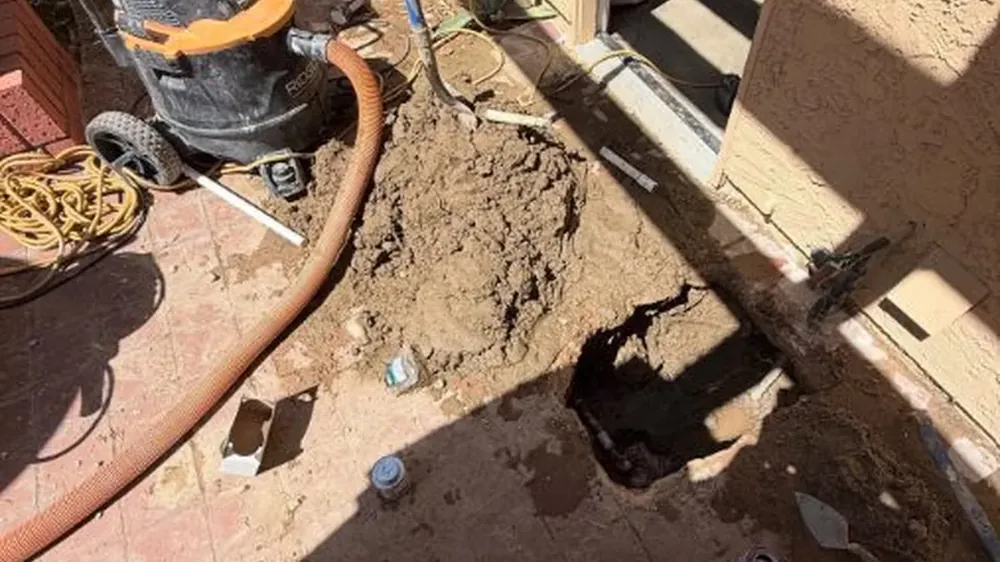
What water removal and drying involves
Removal and drying follow a sequence. Standing water is pumped or vacuumed out first. Wet carpet pad, soaked insulation and saturated drywall that cannot be saved come out next. Air movers push dry air across surfaces and dehumidifiers pull moisture out of the air.
A moisture meter tells the crew when materials are dry, so drying is measured and not guessed. The aim is to return the structure to normal moisture before anything is closed up again.
| Time since the loss | What is usually needed | Why |
|---|---|---|
| First hours | Stop the source, extract standing water | Less water soaks into materials |
| 24 to 48 hours | Start drying, remove soaked porous items | The state health fact sheet advises drying within this window |
| After 48 hours | Check for hidden moisture and odor | Mold growth becomes more likely |
| Days of drying | Meter readings until dry | Closing walls too early traps moisture |
What this service covers and what it does not
This service covers water removal and drying. Rebuilding is a separate job: new drywall, flooring, paint, cabinets and structural repair belong to a general contractor. Cleanup after a fire is handled by other specialists.
The plumber repairs the pipe, and the drying crew handles the wet structure. When both are needed, ask who coordinates and what the written scope says. For the pipe side, see burst pipe repair.
Call the water damage line.
Say where the water came from, how many rooms are wet and whether the main is shut off. Same-day service is offered when available.
Call 610-735-7408 ↗Basement flooding in Easton
Easton sits where the Lehigh and Delaware rivers meet, and Bushkill Creek runs through the city (Northampton County hazard annex). The National Weather Service forecast point for the Delaware at Easton lists flood impacts that begin well below record levels (NWS Easton).
Basements fill from three sources: river and creek flooding, groundwater and a failed sump pump or sewer backup. Which one it is changes the cleanup, because river and sewage water are contaminated. For prevention, the sump pump section on drain and clog work covers testing the pump.
Mold and moisture: what to know
The Pennsylvania Department of Health notes that there are no federal or state mold regulations, and that fixing the moisture is the key step (PA Department of Health). The EPA guide uses about 10 square feet as the size where a homeowner can often handle cleanup alone (EPA mold guide).
Larger areas, or any growth after sewage or flood water, call for professional help. Drying quickly is the best prevention.
Insurance, photos and records
Insurers ask for proof of what happened and when. Photograph the source, the water line on the walls and each damaged item before it is moved. Keep the plumber invoice, the drying log and any moisture readings.
Ask your insurer what they cover before a crew starts, and get the scope in writing. Mitigation, meaning stopping further damage, is typically expected from the owner right away.
The short list: carpet, drywall, ceilings and hardwood
- Carpet. The pad is usually removed; the carpet can often be dried if clean water and fast action.
- Drywall. Wet drywall that sags or stains is removed; dry sections can stay.
- Ceilings. Bulging ceilings may hold water; poke a small hole over a bucket to relieve it.
- Hardwood. Cupping can start within days; drying speed decides the outcome.
- Contents. Move electronics and papers to a dry room first.
What can be saved and what should go
Not every wet item is lost, and not every dry-looking item is safe. After clean water, hard surfaces, solid wood furniture and many fabrics can be dried and kept. Porous materials such as carpet pad, insulation and ceiling tile are the first to be removed.
After contaminated water, the rules are stricter: porous items that touched sewage or flood water are usually discarded. Photograph items before disposal and keep a list for the claim.
| Material | Clean water | Contaminated water |
|---|---|---|
| Carpet pad and insulation | Usually removed | Removed |
| Carpet | Often dried in place if acted on quickly | Usually removed |
| Drywall | Cut out if soaked, dry sections can stay | Removed |
| Solid wood furniture | Often dried and kept | Cleaned or discarded case by case |
| Hard flooring | Dried with surface drying equipment | Cleaned and checked for moisture below |
Choosing a drying company: what to ask
Ask how moisture will be measured, what the written scope covers and how long the equipment will run. A good scope names the rooms, the materials removed and the readings that mean the structure is dry.
Ask who coordinates with your insurer and what documents you will receive. Avoid any company that asks for a large payment up front or refuses to put the scope in writing. Contractors who earn above a set yearly amount from home improvement work are supposed to be registered by the Attorney General, so a registration number is a fair thing to ask for (PA Attorney General).
Assessment, inspections and property types
A water damage assessment starts with an inspection of the wet area: where the water came from, how far it spread and how long materials have been wet. Kitchens, bathrooms, a crawl space under the house and a flooded basement are assessed the same way, and a major loss at a vacant home calls for the same first steps.
Drying applies to residential houses, condos, apartments and commercial properties. Mold testing and mold remediation are a separate trade and are not part of this line; the work here is water removal and drying, which is what stops mold from starting. Basement waterproofing and foundation repair are also different trades.
Call the water damage line.
Removal and drying, 24/7 dispatch.
Tell the dispatcher where the water came from.
- Licensed and insured plumbers
- Same-day service when available
- 24/7 emergency dispatch
Water damage questions from Easton homeowners
How fast do I need to dry a water damaged house?
The Pennsylvania Department of Health advises drying wet materials within 24 to 48 hours to limit mold. Start with water extraction and keep air moving, and call for professional drying if the area is large.
Does this service rebuild walls and floors?
No. It covers water removal and drying. Rebuilding is a separate job for a general contractor, and the drying crew can tell you when materials are ready for it.
Can I handle a small leak myself?
A small clean-water spill on a hard floor can be mopped and dried with fans. Wet drywall, carpet pad or any water that came from a sewer or a flood needs professional help.
Is water from a flooded basement safe to clean up?
Not without protection. Flood and sewer water carry bacteria, so wear boots and gloves, keep children out and call before cleanup. Wet materials touched by that water are often removed, not dried.