
Commercial Plumbing in Easton, PA: Restaurants, Storefronts and Apartment Buildings
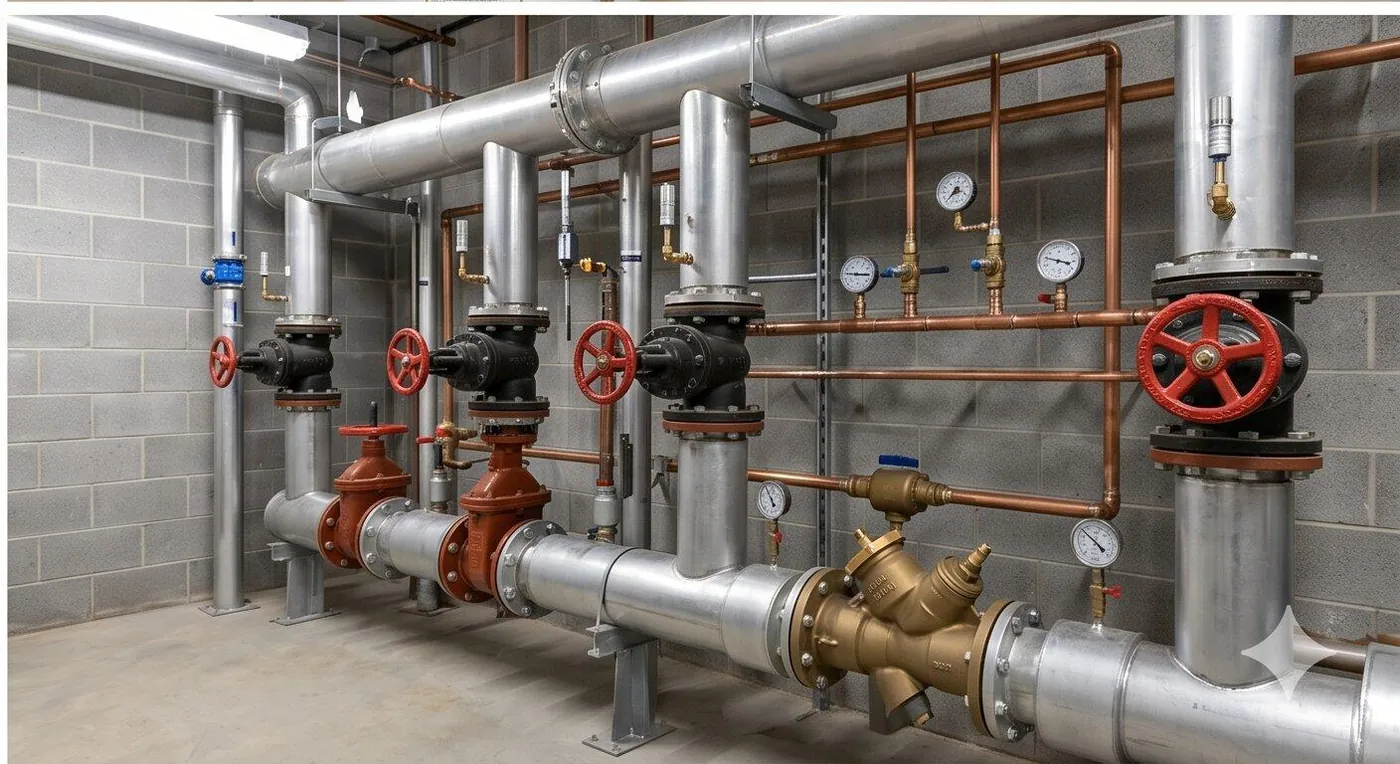
When a business plumbing system fails, the cost is not just the repair. A backed-up kitchen line closes a dining room, and a leak in an apartment stack can reach several units. This page covers how commercial calls differ.
- Licensed and insured plumbers
- Same-day service when available
- 24/7 emergency dispatch
Who commercial plumbing serves in Easton
Easton has a busy downtown with more than thirty restaurants and a visitor corridor that includes the Crayola Experience, which the city map puts above 425,000 visitors a year (City of Easton map and guide). Lafayette College and a hospital add large institutional buildings to the mix.
Housing is also a big part of the picture. Census QuickFacts reports 45.2 percent owner-occupied housing for 2019 to 2023 (U.S. Census Bureau), so many buildings are rentals where a landlord manages the plumbing for tenants. Restaurants, storefronts, offices and multifamily buildings each bring different failure patterns.
Call fast For a flooding unit, shut the building main and call the dispatch line. Tell the dispatcher the type of business and whether tenants are affected.
After-hours and emergency calls
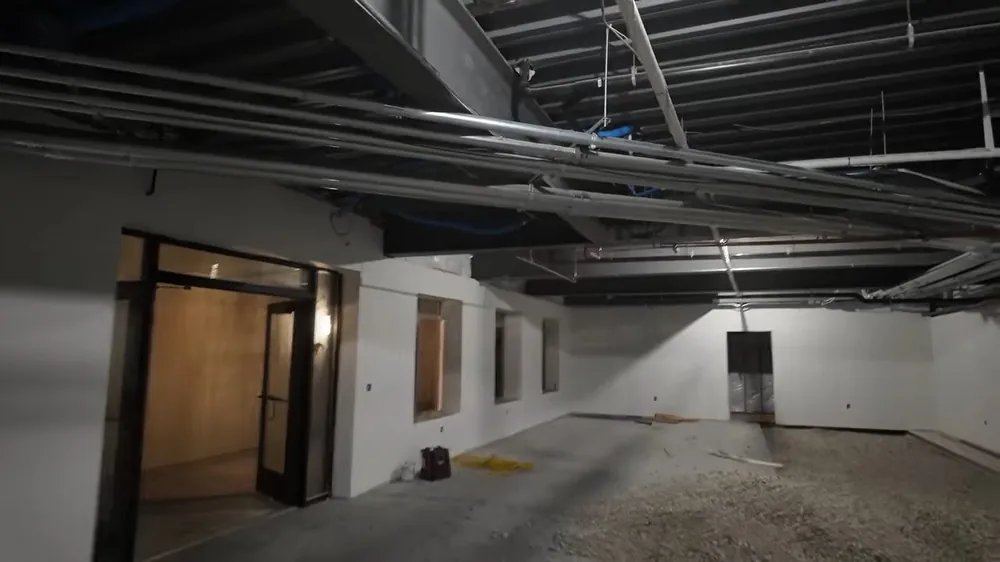
Dispatch answers around the clock, so a Saturday night kitchen flood goes through the same line as a Monday morning call. Same-day service is offered when available, and the dispatcher sorts which calls get the next opening.
Give the dispatcher the address, the type of business, the symptom and whether water is still running. A tenant, a manager and an owner may all call, so say who holds the authority to approve work.
Restaurants and kitchens: drains, grease and heat
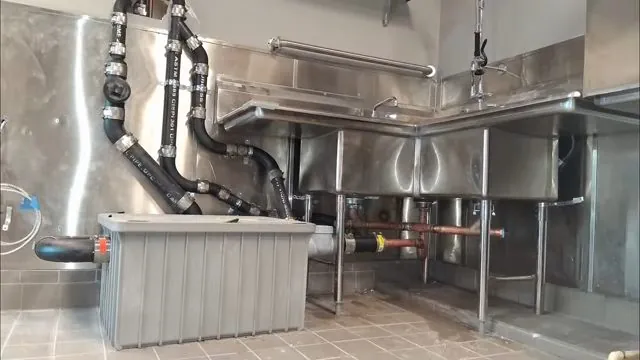
Kitchen lines carry grease, food solids and hot water, and they clog faster than residential drains. Under Easton's sewer chapter, the owner is the one who has to clear roots and grease from the building drain (Chapter 475), which makes scheduled cleaning a cost of running a kitchen.
Hot water demand is high too. A restaurant water heater that fails at the lunch rush is an emergency, and a larger unit or a second one is worth discussing. For the cleaning side, the methods on drain cleaning apply on a bigger scale.
- Floor drains and trench drains that back up during service
- Hand sinks and prep sinks with slow lines
- Dishwasher and ice machine water supply and drains
- Gas connections for ranges and fryers, with a leak test
- Restrooms that serve customers and cannot be shut for long
Call the dispatch line now.
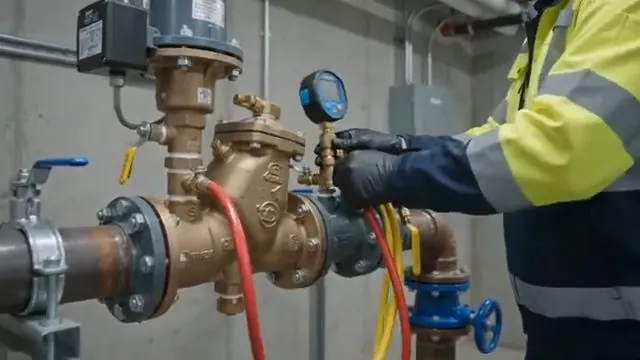
Tell the dispatcher the business type and what stopped working. Same-day service is offered when available.
Call 610-904-7596 ↗Apartment and multifamily buildings
In a multifamily building, one stack or one riser serves many units. A failure on an upper floor can run through ceilings, so the first step is to find and close the right valve. Tenants should know who to call, and the owner should know where each shutoff is.
Ask for a written report after each call: what failed, which units were affected and what was done. It helps with the landlord record, tenant questions and insurance.
| Issue | Who it affects | First step |
|---|---|---|
| Clogged main stack | Lower floors first | Stop water use, call |
| Leaking riser or supply line | Units above and below | Close the building valve |
| No hot water from a shared heater | The whole building | Check the unit, then call |
| Burst pipe in an unheated space | Common areas and units | Shut off, drain, call |
Permits and planning for commercial work
The Easton Codes Office states that residential permit review takes 15 business days and commercial review takes 30 business days (UCC permit instructions). That is a long wait for anything that is not an emergency, so plan upgrades early.
A burst line cannot wait for paperwork, and the code allows urgent repair work to begin if the permit application follows within three business days (ecode360). Confirm who files and who meets the inspector.
Maintenance for businesses: avoid the emergency
A planned visit costs less than a day of closed doors. A yearly look at water heaters, shutoff valves, floor drains and the cleanout can catch trouble. Seasonal checks before winter matter for buildings with exposed lines, since the Lehigh Valley airport station records roughly 110 days a year below freezing (GLISA).
For residential-style problems inside a tenant space, such as fixture repair, the same principles apply.
The short list: what to have ready
- Building main shutoff. Tag it and tell every worker where it is.
- Cleanout locations. Mark them on a floor plan.
- Water heater data. Keep the model and age on file.
- After-hours contact. Post one number for workers and tenants.
- Insurance contact. Keep the claims line where everyone can find it.
Tenant buildouts, new equipment and change of use
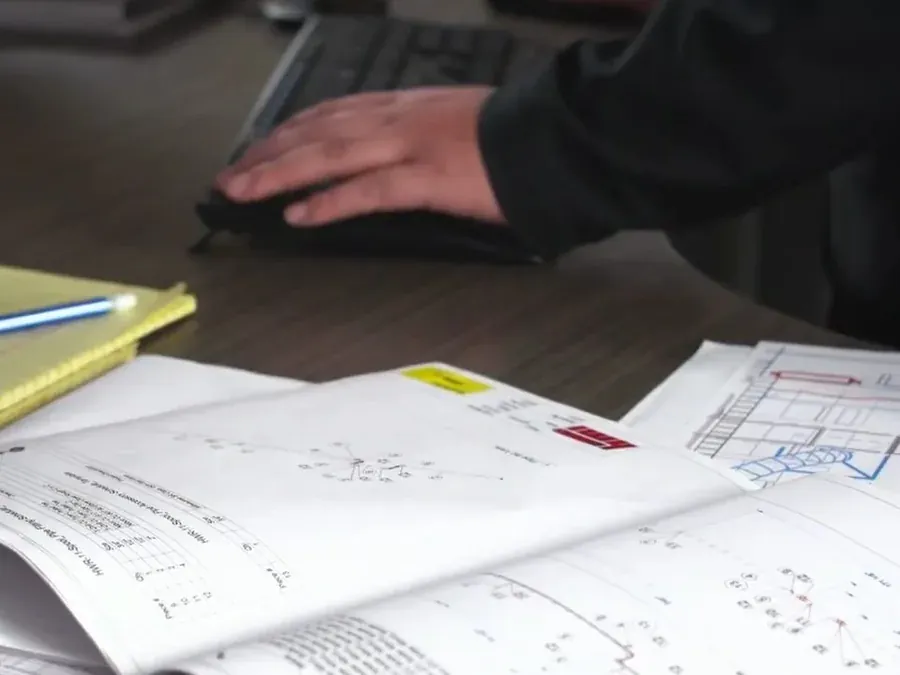
A new restaurant, a salon or a clinic brings plumbing needs that the old tenant did not have. Floor drains, grease management, extra restrooms and bigger water heaters change both the plumbing and the permit.
Bring the plumber in while the plan is still on paper. That is the time to check drain slopes, pipe sizes, shutoff locations and the water heater capacity, and to schedule the permit around the long commercial review time.
- Share the equipment list, including dishwashers, ice machines and sinks
- Ask about floor drain placement before the slab or finish floor is laid
- Confirm hot water capacity against peak demand
- Ask who coordinates the plumbing inspection with the other trades
Restrooms and public-facing fixtures
Customer restrooms are the part of the plumbing everyone sees. A running toilet, a slow sink or a leaking faucet gets noticed, and a closed restroom can hurt business. Regular checks of flush valves, faucets and supply lines save time.
For smaller repairs inside a tenant space, the guidance on faucet and toilet repair applies, and your plumber can walk the building on a schedule.
Light industrial sites, cold storage and grease traps
Light industrial and cold storage sites bring their own needs, such as floor drains, hose connections and leak detection on supply lines that run through unheated space. Restaurants add grease trap questions to the usual drain calls.
Some owners ask about maintenance contracts. The dispatcher can explain what the plumber offers when you call, and no standing contract is promised on this page.
Call the dispatch line, any hour.
Restaurants, offices and apartment buildings.
Say what type of building and what failed.
- Licensed and insured plumbers
- Same-day service when available
- 24/7 emergency dispatch
Commercial plumbing questions from Easton businesses
What commercial properties do you work on in Easton?
The page covers restaurants, storefronts, offices and apartment buildings. The dispatcher confirms what a plumber can handle, so describe the building and the problem when you call.
Do commercial plumbing jobs need permits?
Yes for most repair, replacement and installation work. Easton lists a 30 business day commercial review period, and urgent repairs may begin ahead of the permit, with the filing due three business days later.
Who is responsible for plumbing in a rented space?
That depends on the lease. The landlord usually handles building systems, and a tenant may handle fixtures inside the space. Read the lease and call the owner or manager before authorizing work.
How can a restaurant avoid kitchen drain emergencies?
Keep grease out of sinks, clean floor drains on a schedule and have the main line cleaned before it fails. Easton puts grease and root removal on the owner, which makes a maintenance plan sensible.