Tankless Water Heaters in Easton, PA: Installation, Conversion and Care
A tankless unit heats water as it flows instead of keeping a tank hot. That saves floor space and ends the run-out-of-hot-water problem, but it asks more of the gas line, the vent or the electrical panel.
- Licensed and insured plumbers
- Same-day service when available
- 24/7 emergency dispatch
How a tankless unit works and who it suits
When a hot tap opens, the unit senses flow and fires a burner or energizes elements. Water leaves hot as long as the tap stays open, within the limit of the unit. The limit is flow rate, so a unit chosen for one shower may fail when two run together.
Tankless suits households that run out of hot water with a tank, owners who want the wall space back and homes where the heater location lets the vent run cleanly. It suits less well a house where the gas line is small, the panel is full or the only vent route is awkward.
Check before you buy Count the fixtures that run at once, then ask the plumber what flow rate and temperature rise the unit must deliver on a winter day.
Gas or electric: what each one asks of the house
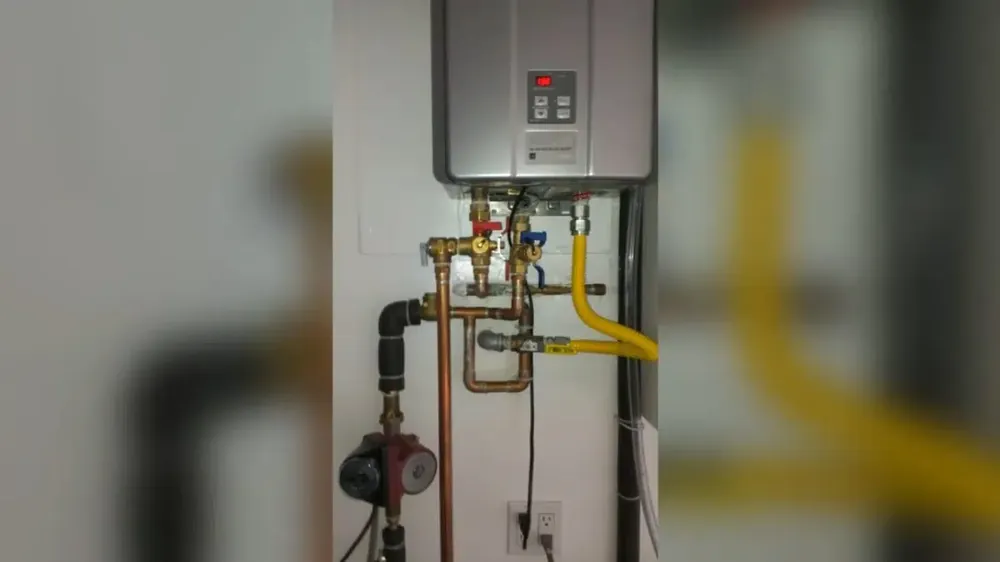
Natural gas units need a gas line large enough to feed a high burner rating, a sealed vent and a condensate drain on high-efficiency models. UGI Utilities supplies gas in Easton, and a larger load on the same line can require upgraded piping inside the house.
Electric units need no vent but a heavy circuit, and large whole-house models may need panel work. For the gas side of this work, see gas line work.
| Item | Gas | Electric |
|---|---|---|
| Fuel line or circuit | Larger gas line | Heavy 240 volt circuit |
| Vent | Sealed vent, condensate drain | None |
| Common limit | Flow at a cold inlet temperature | Panel capacity |
| Common repair | Igniter, sensor, scale, error code | Element or sensor |
Replacing a tank with a tankless unit: what changes
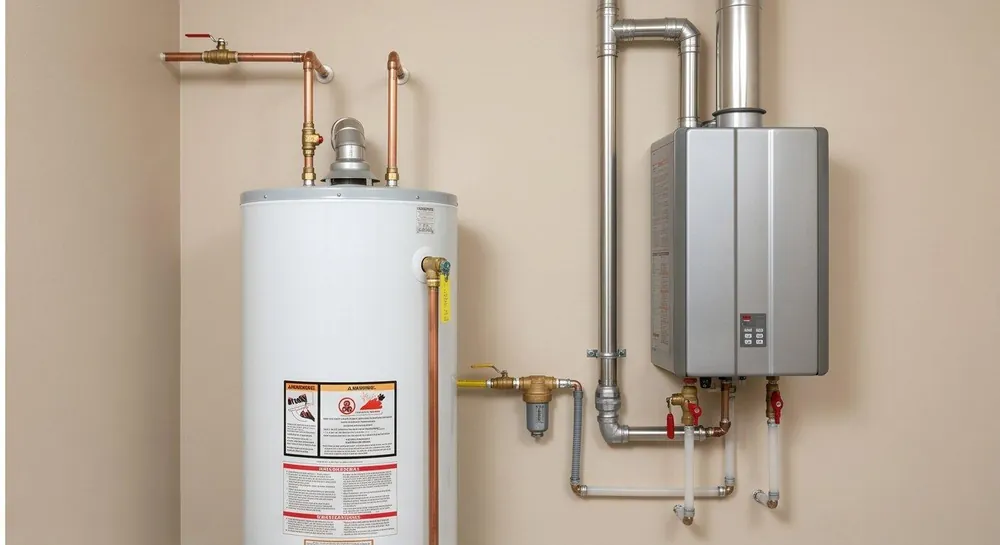
Conversion is more than swapping the heater. The old gas line may need to grow, the vent changes from a flue to a sealed pipe, a condensate drain must be found and the water supply gets isolation valves for flushing. Electric conversions bring a new circuit.
Because the scope is bigger than a tank swap, ask for it in writing and for the permit plan. Easton's Codes Office says permits are required for plumbing, gas and mechanical work (Codes Office FAQ), so ask who applies. For a plain tank swap, a replacement tank is the page to read.
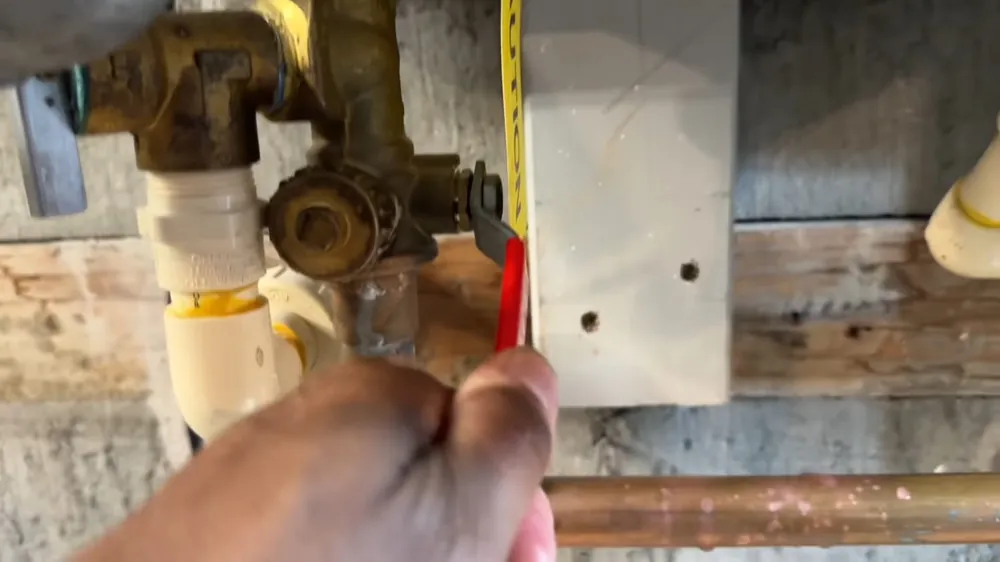
Call to talk through your house.
Share the fuel, the number of bathrooms and where the current heater sits. Same-day visits are offered when available.
Call 610-904-7596 ↗Flushing and descaling: what applies in Easton
Every maker asks for a periodic flush through the service valves, and the interval depends on the water. Easton Suburban Water Authority reported 18 ppm hardness in 2025 (ESWA report), which is soft, so scale builds slowly here.
Follow the manual anyway. A flush removes loose sediment, checks the inlet screen and lets the plumber see the heat exchanger. If a unit throws errors or the output drops, scale is less likely here than in hard water, and a sensor or vent fault is a better first suspect.
Common tankless problems
- Cold water sandwich. A short burst of cold water between hot uses, caused by the unit shutting off between draws.
- Error codes. Often a vent, flame or sensor fault; the code on the display and the model help the plumber.
- Low flow. A clogged inlet screen, a closed valve or a flow limit.
- Fluctuating temperature. Low flow at one fixture or pressure changes in the supply.
- No hot water at all. No gas, no power or a tripped safety; check the breaker or gas valve, then call.
Sizing a tankless unit: flow rate and temperature rise
Two numbers decide whether a tankless unit keeps up: how much water you run at once and how many degrees the unit must add. Flow is measured in gallons per minute, and each fixture has its own draw. A shower, a kitchen faucet and a washing machine running together add up.
Temperature rise is the gap between the cold water entering the house and the temperature you want at the tap. Incoming water is colder in winter, so a unit that keeps up in July can struggle in January. Ask the plumber to size for the coldest month, not the average one.
- List every fixture that can run at the same moment in a normal morning
- Ask for the maker flow rate at a winter inlet temperature, not the headline number
- Decide whether you want one unit for the house or a second unit near a distant bathroom
- Confirm the gas line or electric circuit before choosing the model
If the numbers do not fit one unit, a smaller tank heater may be the simpler answer, and tank repair covers keeping an existing tank going.
Lifespan, warranty and yearly service
A tankless unit has parts that wear: the igniter, the flame sensor, the fan and the heat exchanger. Many makers ask for a yearly check to keep the warranty valid, so read the paperwork and keep the receipts.
A yearly visit includes a flush, a screen cleaning, a look at the vent and a test of the safety shutoffs. It is a short visit that catches small problems before they stop hot water on a cold morning.
Troubleshooting, descaling and brands
Troubleshooting a tankless unit usually starts with error codes and the flow and temperature settings. Descaling and annual maintenance keep the heat exchanger working. Brands differ in parts availability and service, so ask the plumber which models they can support.
Call and give the error code.
Repair or convert, one call.
Say gas or electric and what the display shows.
- Licensed and insured plumbers
- Same-day service when available
- 24/7 emergency dispatch
Tankless water heater questions answered for Easton
Can I replace my tank water heater with a tankless one?
Usually yes, but plan for the added work. The gas line, the vent, the condensate drain and the water valves may change, and an electric unit may need a new circuit or panel space. A plumber can check each item on site and write the scope, including the permit plan.
Is a gas or electric tankless heater better for my house?
Gas units deliver more hot water for the same size and need a vent and a larger gas line. Electric units are simpler to place and ask more of the panel. The choice usually follows what the house already has and what upgrades are practical.
How often should a tankless water heater be flushed?
Follow the maker, who sets the interval and the steps. Easton water is soft at 18 ppm, so scale builds slowly, and the flush still clears sediment and keeps the inlet screen open.
Is a tankless water heater worth it?
It depends on the house. Owners who value space and endless hot water and who have a clean vent route often are pleased. Owners with a small gas line, a full panel or a low usage pattern may find a tank is simpler. Ask the plumber for the specific work your house needs before deciding.