
Burst Pipes and Repiping in Easton, PA: Stop the Water, Then Choose the Fix
A burst pipe gives you a few minutes to act and a longer list of decisions afterward. The first job is to stop the water. The second is deciding whether this was one bad section or a pipe system at the end of its life.
- Licensed and insured plumbers
- Same-day service when available
- 24/7 emergency dispatch
Burst pipe: what to do in the first ten minutes
Water does damage by the minute, so speed matters more than neatness. The steps below buy time until a plumber arrives.
- Close the main water shutoff, usually near where the line enters the house or by the meter
- Open a faucet on the lowest floor to drain the pressure, and one upstairs to release air
- Switch off power to any wet area if you can reach the panel without standing in water
- Move valuables, lift rugs and soak up standing water
- Photograph the damage and the pipe before cleanup, for insurance
- Call the dispatch line and say what burst and where
If you smell gas Gas is a different emergency. Leave the building and call 911 from outside.
Freeze and thaw: why Easton pipes burst in winter
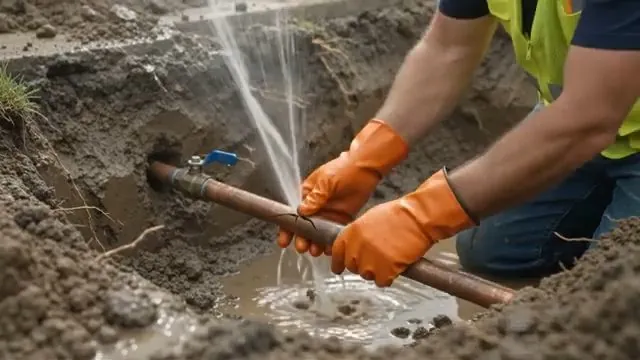
Roughly 110 days a year fall below freezing at the Lehigh Valley airport station (GLISA). Pipes in exterior walls, crawl spaces, unheated garages and under cabinets on cold walls are the ones at risk.
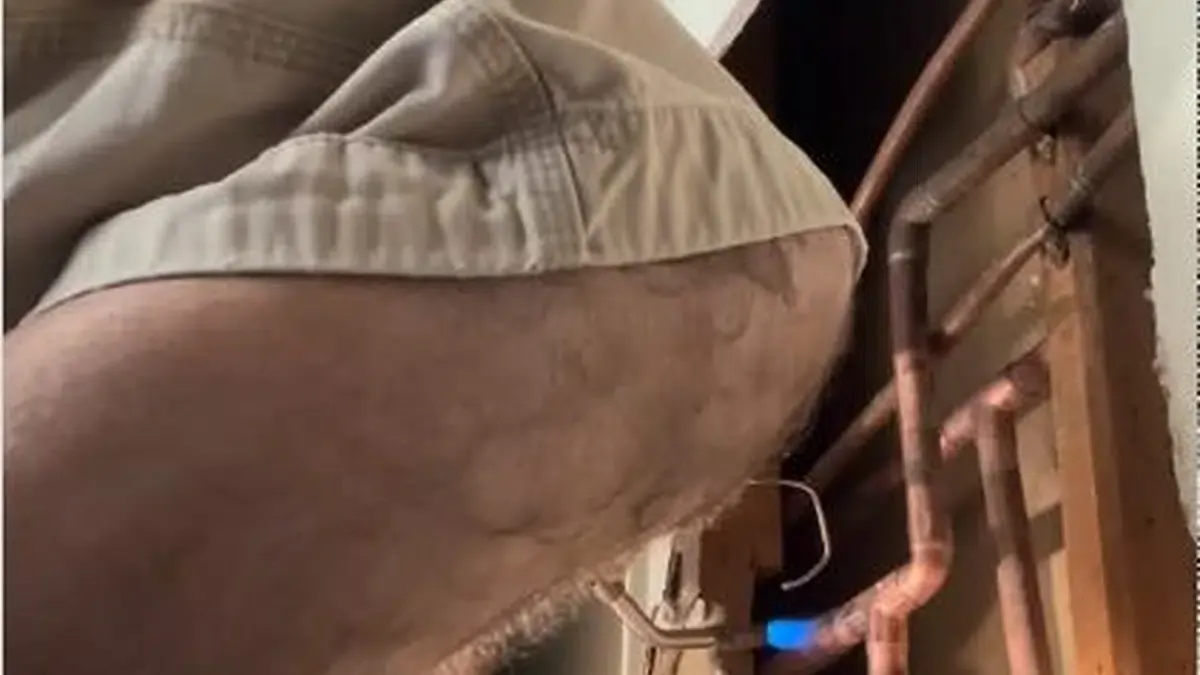
The split often shows up after the thaw, when the ice melts and water runs. If a pipe froze but did not break, open the tap slightly, warm the area gently and leave the main valve ready to close. Never use an open flame.
Repair or repipe: how to decide
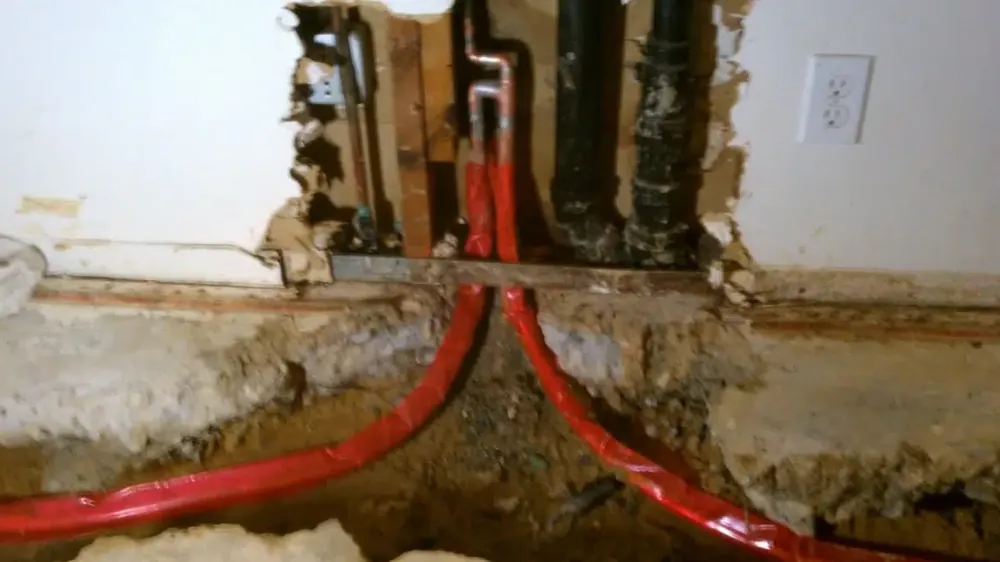
One burst caused by a hard freeze is usually a repair. Several leaks in a short time, pinhole leaks in copper, brittle plastic fittings or low pressure in an old galvanized system are signs the pipe itself is failing.
Ask the plumber to show where the failures are and what the pipe looks like inside. A written scope should say which lines are replaced, where walls are opened and how they are patched.
| What you see | Usual answer | Why |
|---|---|---|
| One split from a freeze | Spot repair | The rest of the pipe is sound |
| Repeated pinholes in copper | Repipe the affected run | More failures follow |
| Rusty, low-pressure galvanized pipe | Repipe | Corrosion narrows the pipe from inside |
| Failed plastic fittings from one batch | Replace fittings or run | Failures cluster by product |
| Leak at one fixture shutoff | Replace the valve | A small, local fix |
Shut the main, then call.
Tell the dispatcher which floor is wet and whether the main valve is closed. Same-day service is offered when available.
Call 610-904-7596 ↗Pipe materials: copper, PEX and CPVC
Copper is durable and repairs well, and it can pinhole in aggressive water. PEX is flexible, goes in with fewer joints and tolerates a freeze better than rigid pipe, though it should not sit in sunlight. CPVC is rigid plastic that works for hot and cold lines and can turn brittle with age or heat.
No material fits every house, so ask the plumber why a choice suits your layout. For CPVC replacement, ask what fittings are failing and whether the whole run needs to go.
Permits and emergency repairs in Easton
The Easton Codes Office says permits are needed to repair, replace or install plumbing (Codes Office FAQ). City code lets emergency repair work start before the permit when the application is filed within three business days (Easton code text).
Ask the plumber who files. After a burst, the quickest path is to stop the water first and sort the permit as the repair is scoped.
After the burst: drying, mold and insurance
Wet drywall and insulation should be removed and dried quickly. A state health fact sheet recommends drying within 24 to 48 hours (PA Department of Health).
For the removal and drying itself, see drying out the space. For your claim, keep photos, the plumber invoice and a note of the time the pipe failed.
The short list: lead lines, galvanized pipe and drain pipe
- Service line to the street. The private side belongs to the owner; see the service line.
- Galvanized. Gray, threaded pipe that corrodes inside and loses flow.
- Drain versus supply. PVC and cast iron are drain materials; repiping usually means supply lines.
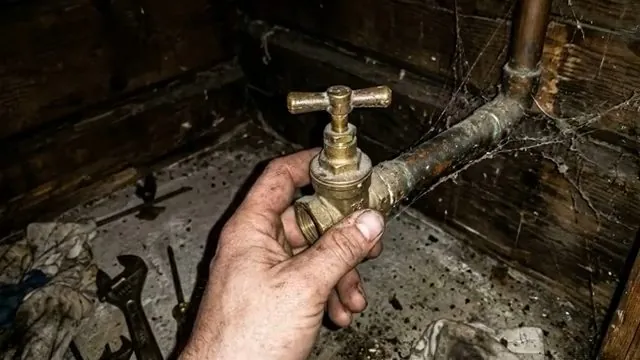
- Fixture shutoffs. A new stop valve is a small repair that prevents a large flood.
Preventing the next burst
Most bursts are avoidable. Insulate pipes in exterior walls, crawl spaces and garages, seal air leaks near pipes and keep cabinet doors open on cold nights. Let a faucet drip slightly during a hard freeze, and keep the heat on if you travel.
Know where the main shutoff is and test it once a year. If you leave the house for a long time in winter, shut the main and drain the lines. A few minutes of preparation costs less than a flooded floor.
Frozen, leaky and worn pipes: other jobs on this line
Frozen pipe repair, leaky pipe repair and broken pipe repair all begin with finding where the line failed. Leak detection on the supply side separates a single bad joint from a pattern. Pipe installation covers new runs, underground lines and under-slab lines, and replacing polybutylene pipework where it turns up in older residential houses.
Premature wear on plumbing components such as fittings, valves and connectors is one sign that repiping may beat repeated patching. The plumber explains which option fits before work begins.
Call the dispatch line for a plumber serving Easton.
Burst, split or worn out: one number.
Tell the dispatcher where the water is and which floor.
- Licensed and insured plumbers
- Same-day service when available
- 24/7 emergency dispatch
Pipe repair and repiping questions from Easton homeowners
Where is the exhaust pipe on my house, and is it part of repiping?
An exhaust pipe is a vent for a furnace, water heater or dryer, not a water pipe, and it is not part of repiping. If you smell fumes, leave and call. A plumber handles water heater vents with the unit, and heating contractors handle furnace flues.
What should I do when a pipe bursts?
Close the main shutoff, open a low faucet to drain the lines, turn off power if the area is wet and safe to reach, then call. Photograph the damage before cleanup. Move belongings away from the wet area.
PVC versus cast iron pipe: which is better for drains?
PVC is lighter, easier to cut and resists corrosion, while cast iron is quieter and was common in older houses. For a repair, the plumber matches or transitions between them. Neither is a supply pipe, so this choice applies to drain lines only.
What do I need to know about CPVC water pipe replacement?
CPVC can become brittle with age, and failures tend to show at fittings. If one fitting cracks, ask the plumber to check the others on the run. Replacing the failing run with PEX or copper is a common choice.
What do I do after a pipe bursts and the water is off?
Document the damage, start removing water and wet materials, ventilate the room and call your insurer. Do not run fans on materials that may be contaminated. The plumber repairs the pipe, and drying follows; see water removal and drying.