
Easton Drain Cleaning: Jetting, Snaking and Clogs That Keep Coming Back
A drain that backs up twice in a month is asking you a question: clear it again, or find out why it keeps closing. A plumber serving Easton can do either, and the right answer depends on what the line is made of and where it clogs.
- Licensed and insured plumbers
- Same-day service when available
- 24/7 emergency dispatch
Easton drain cleaning: what gets cleared and how
Drain cleaning means removing what is blocking the pipe and then checking that the line drains properly afterward. Grease, soap scum, hair, wipes and roots are the usual causes, and each leaves a different clue. A kitchen line that clogs after a few weeks points to grease, while a basement drain that gurgles when the washer drains points to the main line.
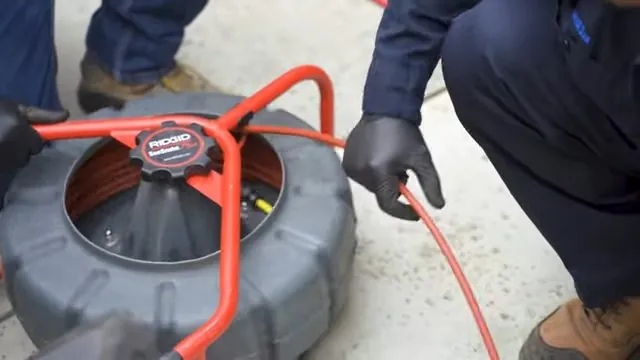
The method follows the clog. A cable clears a soft blockage in a single fixture line, a camera shows what is in the way, and water pressure scours a pipe wall. The part that protects you from a repeat visit is the check afterward: running water through the line and watching how it drains.
Before you call Skip chemical drain cleaners. They sit in the pipe, can burn skin if the line backs up, and make the plumber's work harder.
Is hydro jetting right for your pipes?
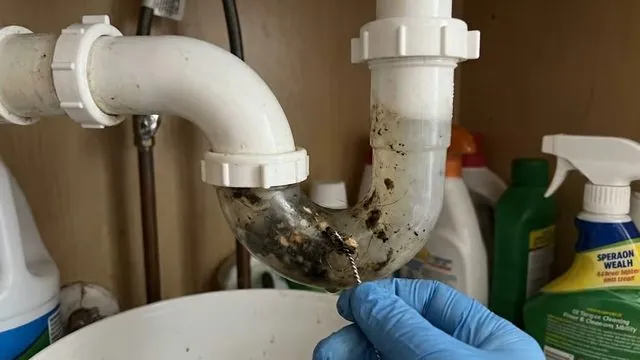
Hydro jetting sends high-pressure water through the line to strip grease and scale from the pipe wall. It cleans more completely than a cable, which only punches a hole through the blockage. It suits a main line that clogs repeatedly or a line with heavy grease buildup.
It is not for every pipe. A cracked, offset or badly corroded line can be damaged by the pressure, which is why a camera look comes first on older lines. If the camera shows a broken section, cleaning will not fix it and the conversation moves to repair.
| Situation | Likely tool | Why |
|---|---|---|
| Single sink or tub that drains slowly | Hand or drum cable | A short, soft clog in a small line |
| Main line that backs up repeatedly | Camera, then jetting | Buildup on the pipe wall, not one plug |
| Roots in a lateral | Cutting head, then camera | Roots grow back unless the entry point is dealt with |
| Cracked or collapsed section | Repair, not cleaning | Cleaning cannot restore a broken pipe |
Easton rooter service and drain snaking
Snaking is the everyday tool and the right first move for most single-fixture clogs. A cable with a cutting tip breaks through the blockage or pulls it back out. For a toilet, a closet auger reaches the trap without scratching the bowl.
Snaking has limits you should know about. It opens a channel but leaves buildup on the walls, so a line that clogs again in weeks needs a deeper clean or a camera. Ask the plumber what came out and whether a camera check is worth adding.
Stop the water, then call.
Run no more water into the line and note which fixtures are affected. One slow sink is a different problem from every drain backing up at once.
Call 610-904-7596 ↗Clear a slow or backed-up drain: what to try and what to leave
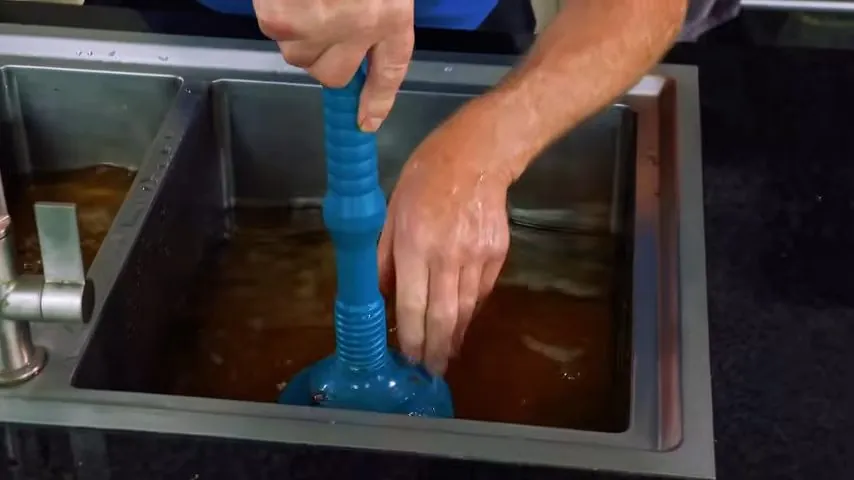
Clogged drain repair often starts with a plunger and a few minutes of patience, and that clears many clogs. Hot water and dish soap loosen a greasy kitchen line. Past that, stop. Forcing a cable or mixing chemicals can turn a simple clog into a damaged trap.
- One fixture slow: plunge, then try a drain strainer to catch hair
- Several fixtures slow together: the main line is involved, so stop using water and call
- Gurgling after a flush: a vent or main line problem rather than a single clog
- Sewage smell with a backup: leave the area and call for a plumber right away
If the whole house backs up, jump to sewer line repair, because the blockage may be past the building drain.
Sump pump trouble in a basement that floods
Easton has a documented flooding record along the Delaware, the Lehigh and Bushkill Creek, and the National Weather Service lists impacts at the Easton gauge starting well below record stage (NWS Easton forecast point). A sump pump is what keeps a low basement dry between storms, and it fails quietly until the day it is needed.
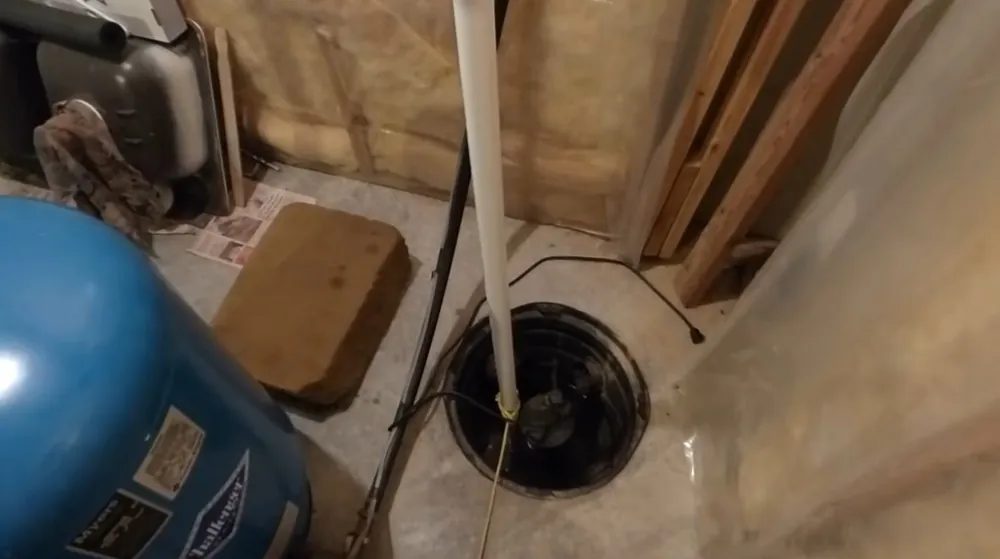
Test it before the wet season by pouring a bucket of water into the pit and watching the float lift and the pump run. A pump that cycles constantly, rattles or runs without moving water needs attention. A plumber can replace the pump, check the discharge line and look at the check valve, and after a flood water damage restoration handles the drying.
Drain pipe repair, cast iron and recurring clogs
Some clogs return because the pipe itself is the problem. Old cast iron roughens inside and scales until it catches everything, clay joints let roots in, and a sagging section holds water and waste. Cleaning gives temporary relief, while repair or replacement of the bad section ends the cycle.
A camera inspection tells the two cases apart. Ask to see the footage and for the location of any damage measured from the cleanout, so the repair scope is specific and any later work can find the same spot.
Kitchen, bath and toilet lines
Kitchen sinks clog from grease and food that cools in the line, and a plunger plus hot soapy water is the sensible first step. Bathtub and shower drains catch hair near the stopper, and a hand tool pulls it out. A toilet that will not clear after plunging needs an auger, and a toilet that backs up along with a nearby tub means the branch line is blocked.
Emergency calls follow the dispatch line, with same-day service when available. For a recurring problem that is not urgent, schedule a visit and bring a list of which fixtures clog and when.
The short list: roots, odors, floor drains, grease and the yard
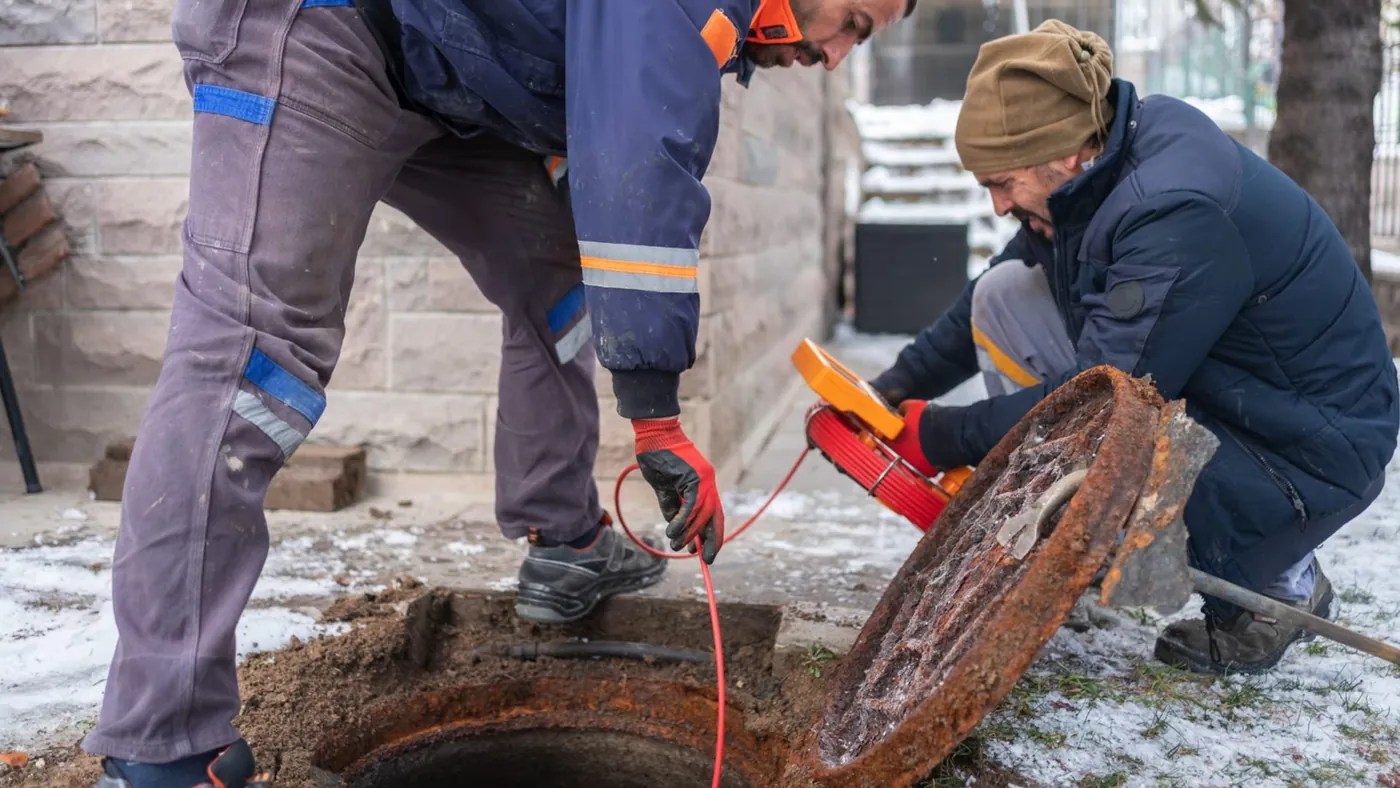
- Camera inspection. A small camera on a cable shows the clog, the pipe material and any damage.
- Tree roots. Under Easton's sewer chapter, the owner removes tree roots and grease from the building drain and lateral, so root cutting is routine upkeep.
- Drain odors. A dry trap, a failing wax ring or a venting problem usually explains it; run water in unused drains first.
- Floor drains in basements. Pour a bucket of water into a dry floor drain monthly to keep the trap sealed.
- Restaurant and kitchen lines. Grease traps and kitchen exhaust are commercial work, covered under commercial plumbing.
- Yard drainage and French drains. That is excavation and landscaping, a separate trade from drain cleaning.
Persistent clogs, video inspection and new drain work
Persistent clogs that return despite plunging usually need unclogging with a cable or jetting, followed by a video camera inspection of the line. Drain leak detection checks whether a slow drain is also leaking below the fixture, and drain maintenance keeps lines clear after the stoppage is gone.
Drainage system installation and repair, such as new drain runs for a remodel, are handled on the same call.
Call the dispatch line and describe which drains are slow.
From one slow sink to every drain backing up: one number.
Say which fixtures are affected and whether anything smells.
- Licensed and insured plumbers
- Same-day service when available
- 24/7 emergency dispatch
Drain cleaning questions from Easton homeowners
Which is better, hydro jetting or snaking?
Snaking suits a single plug in a small line, and jetting suits buildup along the whole pipe wall. Choose a cable when one fixture is slow and the pipe is sound. Choose jetting when the main line clogs again and again and a camera shows the pipe can take the pressure. A plumber who offers only one tool will steer you toward that tool, so ask for the camera first.
Who do I call for a drain clog?
Call a plumber when plunging fails, when more than one fixture is slow or when anything backs up. A drain-cleaning visit is a plumber's job because the plumber can also see whether the pipe is damaged, which a drain-only tool cannot show.
Why does my drain keep clogging in Easton?
Easton's sewer chapter makes the owner responsible for clearing roots and grease out of the building drain and lateral, which hints at the two repeat causes. Pour grease into a can rather than the sink, catch hair, and keep wipes out of toilets. If it still returns within weeks, ask for a camera check, because a sagging or cracked section keeps catching debris.
What should I do before a main line cleaning?
Follow this list. 1. Stop using water in the house. 2. Locate the cleanout, usually a capped pipe near the foundation or in the basement. 3. Clear a path to it. 4. Note which fixtures were affected and when it started. 5. Keep pets away from the work area. One caution: do not open a cleanout under pressure with sewage backed up, and let the plumber do it.
A main line backs up only when it rains or the washer runs. What is the scenario?
Picture a basement drain that gurgles whenever the washer empties, then burps water onto the floor. Water from the washer fills a partly blocked main faster than it can leave. The fix is to clear and camera-check the main, because a partial blockage will become a full one. Stop using water until it is cleared.
A basement floor drain is wet. What can wait and what cannot?
Standing sewage or a drain that is rising cannot wait: stop water use, keep people away and call. A damp floor drain with no smell can wait for a scheduled visit. Pour water in the trap to rule out a dry seal, and mention it to the plumber.