
Emergency Leak Detection in Easton, PA: Wet Walls, Stains and Surprise Water Bills
A brown ring on the ceiling, a water bill that doubled, or a meter that spins with every tap closed all mean water is going somewhere it should not. Call, and the first job for a plumber serving Easton is locating the source, not opening walls.
- Licensed and insured plumbers
- Same-day service when available
- 24/7 emergency dispatch
Leak detection service: how a plumber finds the source
Detection comes before repair because the wet spot is rarely the leak. Water travels along joists, down pipe chases and across floors before it shows up as a stain, so a ceiling mark can sit a full room away from the failed fitting. A plumber works backward from the symptom, closing fixtures one at a time, reading the meter, pressure testing sections of supply pipe and listening along the pipe run.
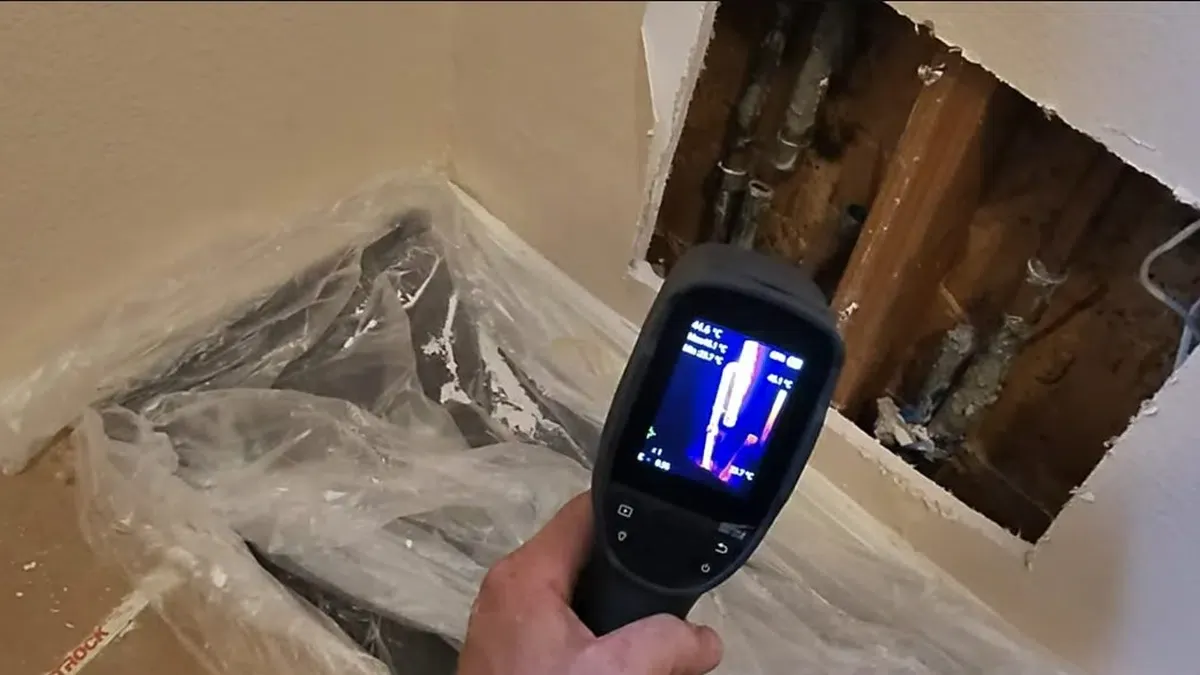
Electronic listening gear, thermal imaging and acoustic sensors narrow a hidden leak to a few feet. What matters to you is the written result: the location, the pipe involved and what opening the surface will take. Ask for that before anyone cuts a wall.
Safety A ceiling that bulges with water can drop without warning. Stay out from under it, switch off lights on that circuit if the panel is dry to reach, and call right away.
Run the meter test before the plumber arrives
A meter test separates a hidden leak from a high bill caused by use. It takes about fifteen minutes and needs no tools.
- Close every tap and stop the dishwasher, washer, ice maker and irrigation.
- Find the water meter and note the dial or the small low-flow triangle.
- Wait fifteen minutes without using any water, then look again.
- Movement means water is escaping somewhere between the meter and your fixtures.
Who owns that stretch depends on where the dividing point sits. ESWA divides the line that feeds a house: the stretch up to the dividing point is the utility's, and the rest belongs to the homeowner. ESWA at 610-258-7181 can say where the line changes hands.
Call before the stain spreads.
Say where the water appears, whether the meter is moving and whether you can reach the main shutoff. The dispatcher takes it from there.
Call 610-904-7596 ↗
Wet spot on the ceiling, wall or floor: what repair involves
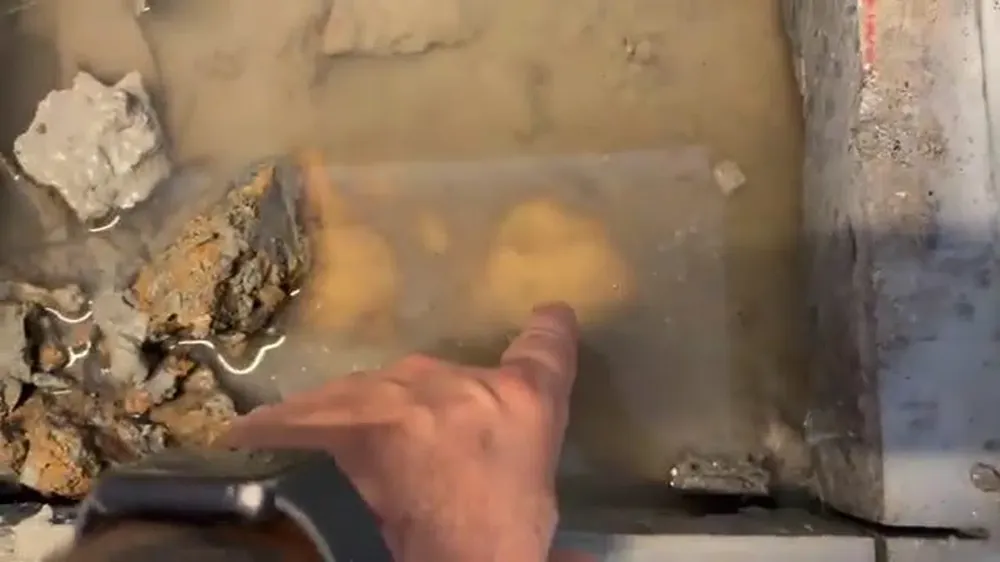
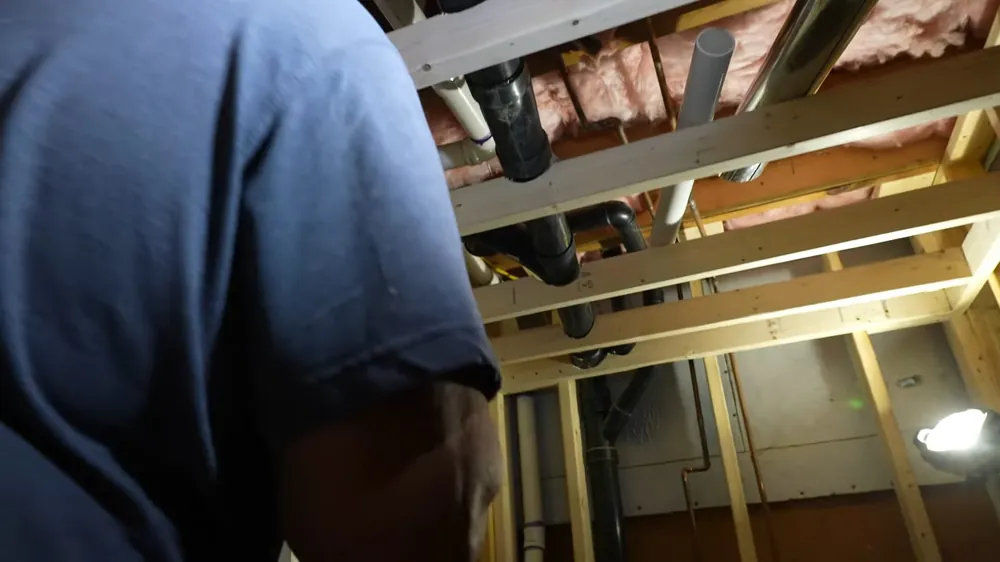
Repair depends on where the pipe is and how hard it is to reach. A failed joint under a sink is a short visit. A split inside a wall needs a small opening, a cut-out of the bad section and a patched surface. A line under a floor or in the yard changes the job and sometimes the page you need: see slab leak detection for concrete floors or water line repair for the line from the street.
After a hard freeze, a leak often shows hours later as the ice melts. At the Lehigh Valley airport station, about 110 days each year reach freezing or colder (GLISA climate summary), so look at pipes in unheated garages, crawl spaces and outside walls as the thaw starts.
| Where it shows | Likely source | What the plumber checks |
|---|---|---|
| Ceiling stain below a bathroom | Tub or shower valve, drain or supply joint above | Valves shut one at a time, overflow gasket and drain connection |
| Wall stain that keeps growing | Supply line or fitting inside the wall | Pressure test and thermal scan along the pipe route |
| Damp basement wall near the meter | Supply line where it enters the house | Entry fittings and valves, meter movement |
| Soggy patch of lawn | Buried supply line | Meter test, line tracing, then exposing the pipe |
| Bill jumps with no visible water | Running toilet or concealed leak | Dye test in each toilet, then a meter test |
Hidden leaks and buried lines
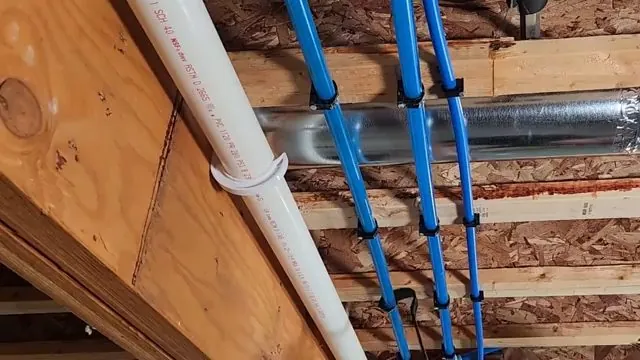
A leak you cannot see usually announces itself by sound or by the bill: water running when nothing is on, a hum behind a wall, or a damp floor that never dries. Underground, the clue is often a soft spot in the yard or a drop in pressure at every fixture.
If the repair means digging, Pennsylvania law has PA 811 locate the buried utilities first, and the call has to come at least three business days before digging (PA One Call). Older lines may be lead, per the ESWA notice, so have the plumber identify the pipe material before the trench is opened.
Fixture leaks that look bigger than they are
A toilet that refills by itself, a faucet that weeps or a shower valve that never quite shuts is usually a worn part rather than a failed pipe. These are short repairs, and the water they waste adds up quietly on a bill. For parts that keep failing, fixture repair covers what is worth replacing.
A condition check on the rest of the plumbing is worth asking for while the plumber is there. It pairs a pressure test with a look at visible pipe, shutoff valves and the connections at the water heater, and it tells you what is aging before it leaks.
Short answers on the rest
- Meter and bill spikes. Start with the meter test above, then check toilets with a few drops of food coloring in the tank.
- Under the house or in a basement. Look along the pipe route for rust streaks, white mineral crust or drips on the floor.
- Wall and ceiling leaks. Mark the edge of a stain with a pencil and a date so growth is easy to see.
- Pressure testing. A plumber isolates a section, holds pressure and watches the gauge, which shows a leak without cutting anything.
- Sprinklers and irrigation. That is a separate trade from house plumbing, and a plumber can tell you where one ends and the other begins.
- Emergency and same-day. Dispatch runs 24/7, with same-day service when available; an emergency plumber covers what to do before the call.
Plumbing inspections and catching small leaks early
A plumbing inspection is a practical way to catch small leaks early. The plumber inspects the relevant plumbing systems, including attic runs, appliance connections and toilets for silent leaks, and asks about the leak history of the house. Common signs include damp drywall, rising humidity and a water meter that keeps turning when everything is off.
Advanced leak detection technology narrows the search: acoustic listening, infrared thermal imaging and a hydrostatic pressure test on a suspect line. When drains are involved, a sewer line inspection by camera can follow. Residential leak repair then comes after the finding. Structural damage from ignoring leaks costs more than a short consultation, so think of leak detection as risk management. Appliance leak cleanup and loss documentation for an insurance claim are handled once the source is fixed.
Shut the main, then call the dispatch line.
A leak does not wait for Monday: dispatch is open all night.
Describe the stain, the meter reading and what you have already shut off.
- Licensed and insured plumbers
- Same-day service when available
- 24/7 emergency dispatch
Leak questions from Easton homeowners
Why is there a water spot on my ceiling?
A spot means water is reaching the ceiling from above or from a pipe inside it. The usual causes are a leaking joint or valve at an upstairs bathroom, a failed supply line in the ceiling cavity, a roof or flashing problem that is not plumbing, and a condensation line from an air handler. Shut off water to the room above if you can, and watch whether the stain grows while no one uses water. If it grows only after rain, a roofer is the right call.
Should I call right now or schedule a leak visit?
Call right now when water will not stop, a ceiling bulges, water is near outlets or the panel, or pressure has dropped at every fixture. Schedule a visit when the stain is steady, the meter moves only slowly or the bill is creeping up. Dispatch answers around the clock, and same-day service is offered when available, so the dispatcher can tell you which bucket your leak falls in.
Is a dripping faucet or running toilet a plumbing emergency?
Usually no, because a worn washer or flapper wastes water slowly rather than flooding a room. The cost is on the bill, so fix it within a few days, and close the fixture's own shutoff valve in the meantime if the running will not stop.
What about a leaking sprinkler line?
Roughly 110 days a year reach freezing or colder, so irrigation lines are exposed to ice for much of the year. Close the irrigation supply and have the lines drained before a hard freeze. A sprinkler leak is a separate trade from house plumbing, so have the plumber confirm the house side is dry, then call an irrigation company for the rest.