
Faucet and Toilet Repair in Easton, PA: Running Toilets, Drips and Stuck Valves
A toilet that runs all night or a faucet that drips on a schedule does not feel urgent until the water bill arrives. Most fixture problems come down to one worn part, and finding that part is the whole job.
- Licensed and insured plumbers
- Same-day service when available
- 24/7 emergency dispatch
Why a toilet keeps running, and what it means
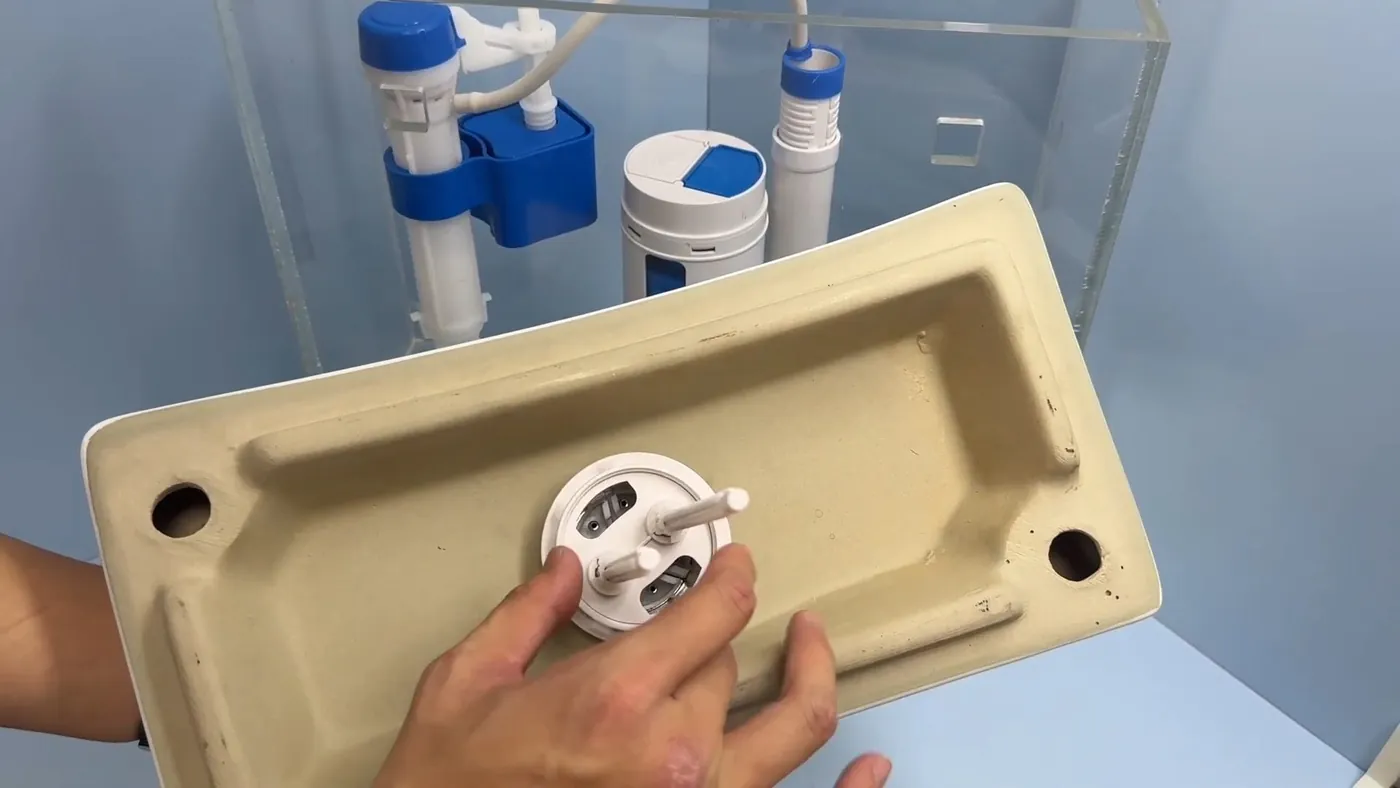
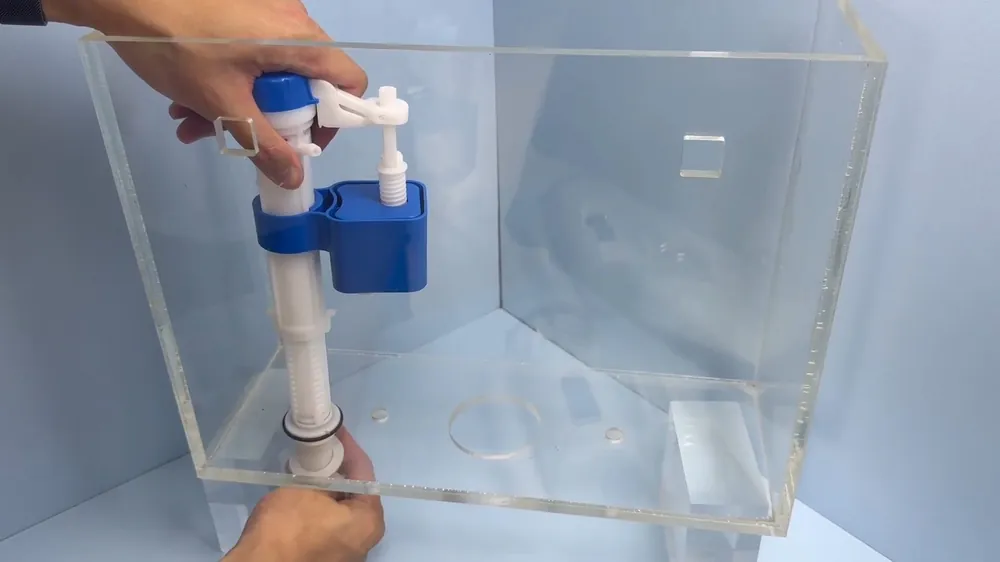
A toilet runs when water keeps leaking from the tank into the bowl or the fill valve cannot shut off. The usual causes are a flapper that no longer seals, a chain that is too tight or too loose, a float set too high or a fill valve that has worn out.
Lift the tank lid and watch. If water trickles over the overflow tube, the float is too high or the fill valve is failing. If the tank slowly empties and refills, the flapper is leaking. Dye tablets in the tank help: color in the bowl without flushing means the flapper is the leak.
Cost of ignoring it A running toilet can waste a large amount of water and shows up on the bill before it shows up on the floor. If the water usage jumped, leak location work explains how to separate a fixture leak from a pipe leak.
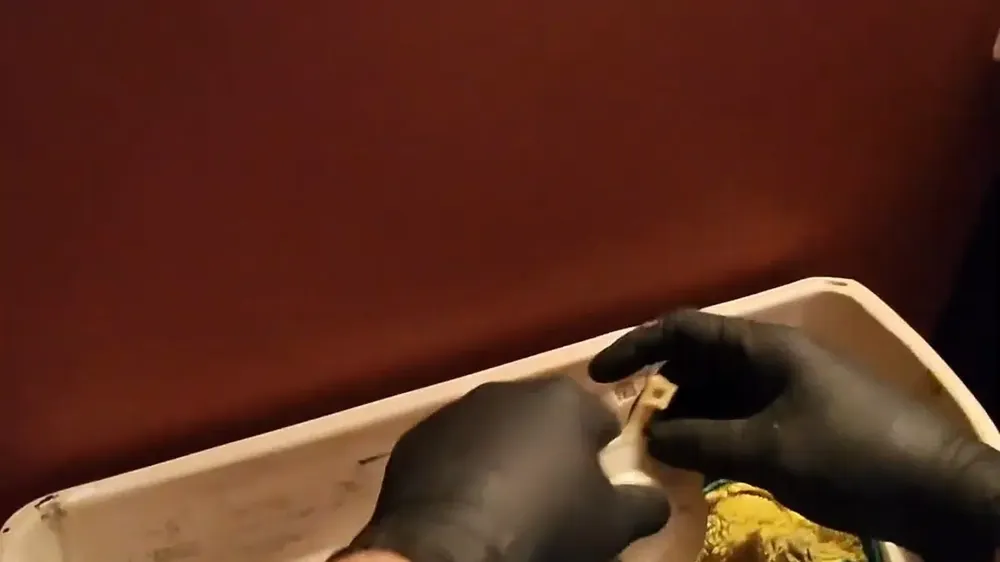
How to fix a running toilet: a step by step check
A homeowner can try the simple fixes before calling. Stop if the shutoff valve will not close, if water leaks from the tank base or if the toilet rocks on the floor.
- Close the shutoff valve behind the toilet and flush to empty the tank
- Check that the chain has a little slack and the flapper lies flat
- Clean the flapper seat with a cloth to remove grit
- Adjust the float so water stops below the overflow tube
- Turn the water back on slowly and watch a full fill
- If it still runs, replace the flapper or the fill valve
Faucets: drips, low flow and worn cartridges
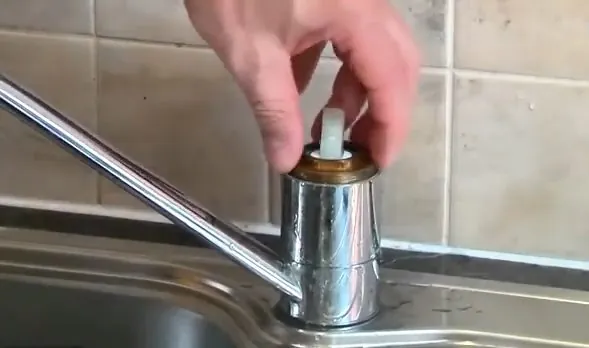
A faucet drips when the washer, cartridge or seat inside wears out. Compression faucets use rubber washers, and single-handle faucets use a cartridge. Low flow at one faucet is often a clogged aerator, which unscrews from the spout and can be rinsed.
Easton water is soft, reported at 18 ppm (ESWA report), so mineral crust on aerators builds slowly. A faucet that fails often is more likely to have a worn part than a scaled one.
| Symptom | Likely cause | Usual repair |
|---|---|---|
| Faucet drip at the spout | Worn cartridge or washer | Replace the part |
| Water around the faucet base | Failed O-ring or loose body | Replace the O-ring or tighten |
| Weak flush | Clogged jets or a low water level | Clean the jets, set the float |
| Toilet rocks | Loose flange bolts or a failed wax ring | Reset the toilet with a new ring |
| Shutoff valve will not close | Worn stem or washer | Replace the valve |
Shut it off, then call.
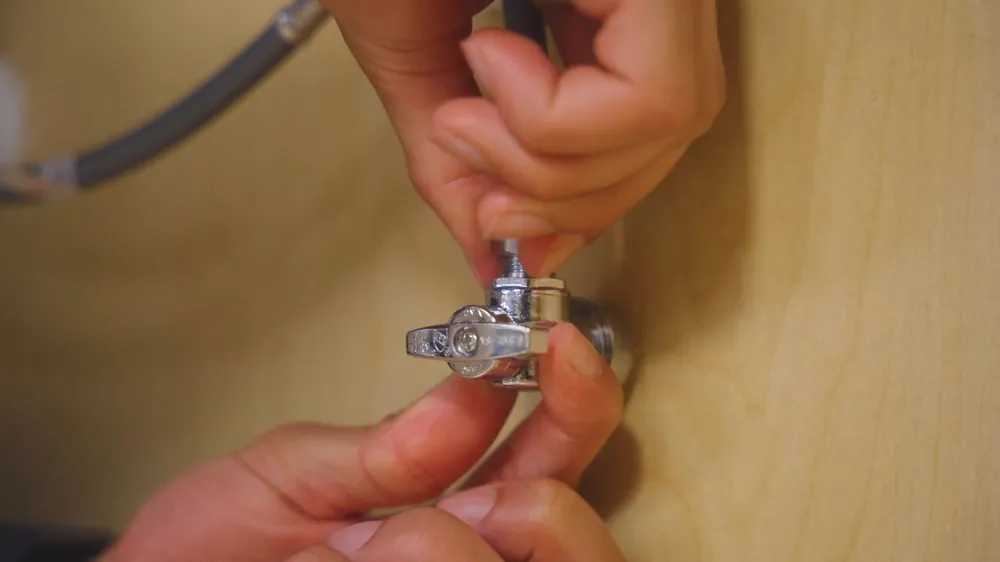
Close the shutoff valve under the fixture. If it does not close, shut the main and call. Same-day service is offered when available.
Call 610-904-7596 ↗Shutoff valves, supply lines and when to replace
The small valves under sinks and behind toilets are called angle stops. They stick if they are never turned, and they can leak at the stem when you finally try. Replacing a stuck stop is a short job when the main is closed, and it makes every later repair easier.
Braided supply lines last a long time but should be replaced when they show rust, bulges or drips at the nut. A burst line under a sink is a common cause of floor damage, and water damage restoration covers what follows.
Showers, tubs and other fixtures
A shower valve that drips or will not hold the temperature usually needs a new cartridge. A tub spout that leaks at the wall may need a new diverter or sealant. Pedestal and wall-hung sinks may need hardware checked when a faucet is replaced.
For a shower that wastes hot water, the cause is often the valve, not the heater. If the hot side takes too long, see water heater service for the heater side.
The short list: when to replace instead of repair
- Toilet older than the fix. If parts are hard to find, a new toilet may be simpler.
- Cracks in the bowl or tank. Replace; do not patch.
- Faucet that needs a third repair. Replacement saves another visit.
- Running toilet after a new flapper. Check the fill valve and the seat.
- Multiple fixtures failing. Pressure or a water supply issue may be the cause.
When the leak under the sink is not the faucet
Water under a sink can come from the supply lines, the shutoff valves, the faucet body, the drain trap or a disposal. The fastest way to find it is to dry everything with a towel, put a sheet of dry paper underneath and run each part in turn.
A trap leak shows when the sink drains, not when the faucet runs. A supply line leak shows when the water is on, even with nothing running. Tightening a slip nut by hand sometimes fixes a drain leak, while a cracked line or a corroded valve needs replacement.
| When it drips | Likely source | Next step |
|---|---|---|
| Only while the faucet runs | Faucet body or hose | Check the connections at the base |
| Only while the sink drains | Trap or drain slip nut | Tighten or replace the washer |
| Constantly, even with water off | Shutoff valve or supply line | Close the valve and replace |
| Only while the disposal runs | Disposal housing | See garbage disposal repair |
Choosing a replacement fixture
If a faucet or toilet is beyond repair, the replacement should match the holes in the sink or the rough-in distance of the toilet. A mismatch is the reason many do-it-yourself swaps stall halfway.
Measure before you shop. For a toilet, measure from the wall to the center of the floor bolts. For a faucet, count the holes and the distance between them. Bring the numbers to the store or share them with the plumber so the right part arrives the first time.
Installation, remodels and specialty fixture work
Installation is part of fixture service as well as repair. A plumber can install a new faucet, toilet, bathroom vanity or bathtub, handle bathroom and kitchen remodel plumbing, and rough in lines for new construction or a renovation. Residential plumbing upgrades include energy-efficient fixtures, dual-flush toilets, toilet relocation and tub-to-shower conversion.
Other hookups come up on the same call: a laundry room washer box, a dishwasher or ice maker line, a bidet, a wet bar, or plumbing for an ADU. Outdoor jobs include replacing a hose bib before the first freeze. A short leak detection check at the supply line often explains a fixture that keeps dripping.
Call and describe what you see.
Faucets, toilets and valves.
Tell the dispatcher which fixture and what it does.
- Licensed and insured plumbers
- Same-day service when available
- 24/7 emergency dispatch
Fixture repair questions from Easton homeowners
What makes a toilet keep running?
The usual causes are a worn flapper, a misadjusted chain, a float set too high or a failing fill valve. Check the tank to see which part is out of position. A part that looks fine can still leak, so a test with dye is worth doing.
What does it mean when my toilet runs on and off by itself?
Intermittent refilling is called phantom flushing. The flapper is slowly leaking water into the bowl, and the fill valve tops the tank off every few minutes. It wastes water even though it looks quiet, and a new flapper usually ends it.
How do I fix a toilet that is running?
Close the shutoff, empty the tank, clean and straighten the flapper, adjust the chain and float, then refill. If the water still runs, replace the flapper or the fill valve. Stop and call if the shutoff leaks.
The toilet is leaking at the floor and running. Is that one problem?
Probably two. A running tank is inside the toilet, while water at the base points to the wax ring or the supply line. Turn off the water and call, because a leak at the floor can damage the subfloor.